

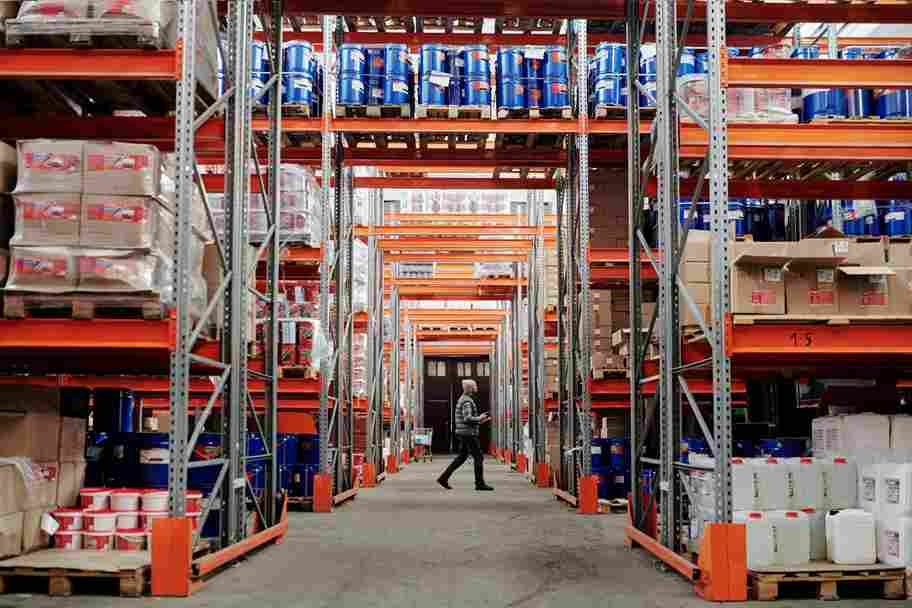
For any warehouse business, storage systems influence far more than just how much stock can be held. Rack design affects operational efficiency, safety, picking accuracy, and how easily the site can adapt as demand changes. Choosing the wrong system can create bottlenecks and increase damage risk, while a well planned layout supports smooth day to day operations.
Understanding How Your Warehouse Operates
Rack design should be based on how goods move through the warehouse. A business handling fast moving stock needs clear access and efficient picking routes, while bulk storage operations often focus on maximising pallet positions. Designing racking without factoring in loading methods, forklift types, and order profiles often leads to wasted space and slower workflows.
Adjustable Pallet Racking
Adjustable pallet racking, often called selective racking, is one of the most common systems used across UK warehouses. It allows direct access to every pallet and works well for businesses with a wide range of products. Beam levels can be adjusted as stock sizes change, which makes this system suitable for operations that need flexibility over time.
Drive In and Drive Through Racking
Drive in racking is typically used where large volumes of the same product are stored. Forklift trucks enter the racking structure to place pallets several positions deep, increasing storage density while reducing aisle space. This system operates on a last in, first out basis and is commonly used in cold storage environments.
Drive through racking follows a similar principle but allows access from both ends of the rack. This supports first in, first out stock rotation and is often chosen by businesses where date sensitive goods are stored in bulk.
Push Back Racking Systems
Push back racking offers a balance between storage density and access speed. Pallets are placed on wheeled carts that move along inclined rails, with each new pallet pushing the previous one further back. When a pallet is removed, the next one rolls forward automatically. This system suits warehouses that want higher density than adjustable racking without forklifts entering the rack structure.
Pallet Flow Racking
Pallet flow racking uses gravity rollers to move pallets from the loading side to the picking side. This system is designed for first in, first out stock handling and is often used in food, drink, and pharmaceutical storage. While installation costs are higher, it can significantly reduce handling time in high throughput operations.
Building Constraints and Compliance
Warehouse buildings place limits on what rack layouts are possible. Ceiling height, floor load capacity, column spacing, and fire protection systems all influence rack selection and configuration. A professional rack design for warehouse environments considers these constraints early, helping businesses avoid costly modifications later.
Safety and Long Term Flexibility
Rack design must account for load ratings, impact protection, and safe operating clearances. Poorly designed systems increase the risk of damage to both racking and equipment. Planning for future changes is also important, as product ranges, volumes, and handling methods rarely stay the same. Systems that allow reconfiguration can support growth without major disruption.
A considered rack layout supports consistent workflows, reduces avoidable handling, and helps warehouse teams work more efficiently as operations scale, while also keeping compliance and safety standards in focus.
