

Modern attendance tracking solutions have evolved significantly, offering features that extend far beyond simple time recording.
These systems now serve as comprehensive workforce management tools, providing data that can transform operational efficiency and enhance decision-making processes.
For businesses of all sizes, implementing the right clocking system represents an investment in productivity, compliance, and ultimately, profitability.
Understanding the Value of Effective Time and Attendance Management
Implementing a robust clocking system delivers numerous advantages that directly impact your organisation’s operational efficiency and financial health.
When employees’ working hours are accurately monitored, businesses gain valuable insights that inform strategic decisions and resource allocation.
Precision in Payroll Processing
A primary benefit of advanced clocking systems is the elimination of payroll discrepancies. Manual timekeeping methods frequently lead to errors that result in financial losses through incorrect payments.
Automated attendance tracking ensures staff receive fair compensation for their actual working hours, reducing disputes and administrative corrections.
Regulatory Adherence and Risk Reduction
Maintaining compliance with employment legislation represents a critical concern for businesses across sectors.
Contemporary clocking solutions facilitate straightforward monitoring of overtime, break periods, and shift patterns, ensuring your organisation meets legal requirements regarding working time regulations.
This proactive approach significantly reduces the risk of penalties and legal challenges related to labour law violations.
Strategic Workforce Planning
The analytical capabilities of modern attendance systems provide comprehensive visibility into staffing patterns and resource utilisation.
This intelligence enables managers to make data-driven decisions about scheduling, identify operational bottlenecks, and optimise staffing levels to match demand fluctuations, ultimately enhancing service delivery and cost management.
Cultivating Workplace Responsibility
Transparent attendance monitoring fosters an environment where accountability flourishes.
When employees understand their time records are accurately maintained, they typically demonstrate greater punctuality and responsibility.
Meanwhile, supervisors gain objective data to address attendance issues constructively, creating a more productive workplace culture.
Exploring Available Clocking System Technologies
The marketplace offers diverse attendance tracking solutions, each with distinct advantages and potential limitations. Understanding the characteristics of different systems helps identify the option that best aligns with your organisational requirements.
Traditional Card-Based Systems
Despite technological advancements, card-based clocking solutions remain relevant for certain business contexts. These systems typically involve staff using magnetic stripe or barcode cards to register arrival and departure times.
Their affordability and straightforward operation make them suitable for smaller enterprises or organisations with limited technological infrastructure.
However, they remain vulnerable to “buddy punching” – where colleagues clock in for absent co-workers – and card loss or damage.
Biometric Authentication Mechanisms
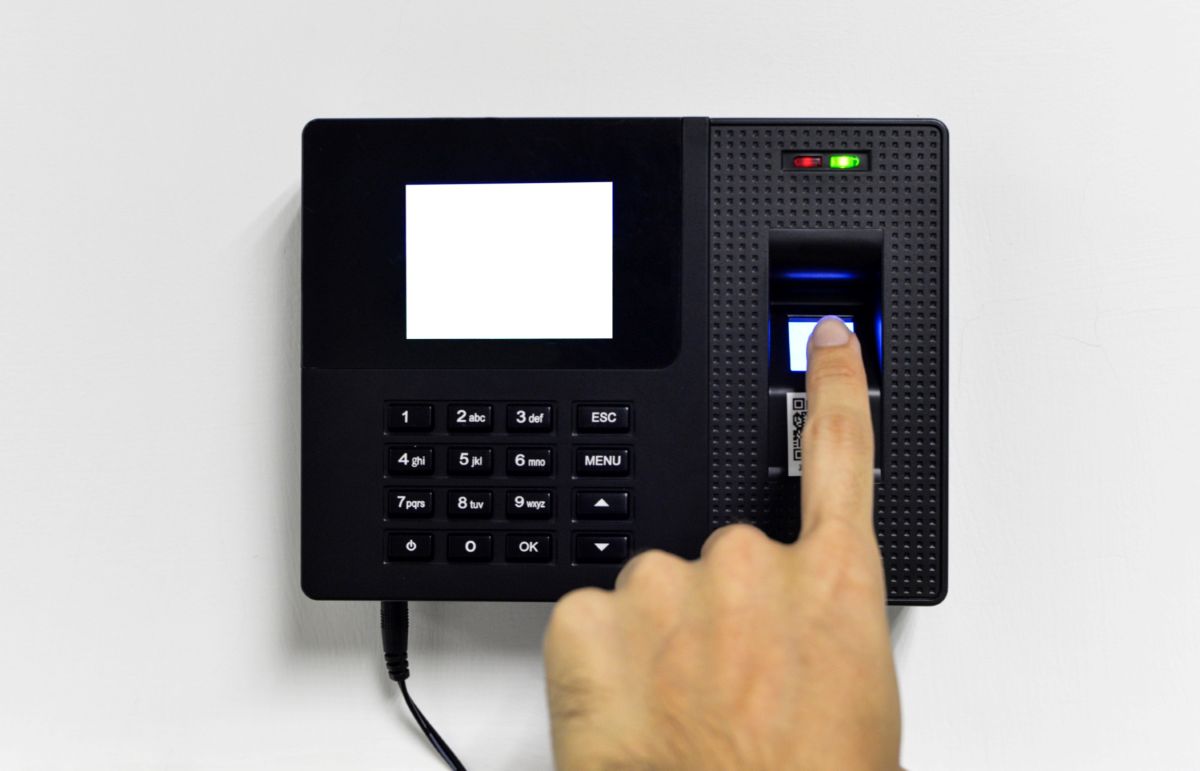
Biometric clocking technology has gained significant popularity, offering unparalleled security through physiological identification methods.
These systems utilise unique biological characteristics – fingerprints, facial recognition, or iris patterns – to verify employee identity when recording attendance.
This approach eliminates impersonation concerns and provides touchless operation options, particularly valuable in hygiene-conscious environments.
While implementation costs exceed traditional alternatives, the long-term benefits often justify the investment.
Mobile Application Solutions
The rise of remote working arrangements has accelerated adoption of mobile clocking applications. These platforms enable staff to register attendance via smartphones or tablets, regardless of location.
Advanced solutions incorporate geofencing capabilities that verify employees’ physical presence within designated work areas.
This flexibility supports diverse working patterns while maintaining attendance accuracy. Integration with existing business systems further enhances their utility for modern, distributed workforces.
Cloud-Based Attendance Platforms
Cloud-hosted attendance solutions offer exceptional accessibility and reduced infrastructure requirements. These systems store attendance data securely online, enabling authorised personnel to access records from any location with internet connectivity.
Real-time reporting capabilities provide immediate visibility of attendance patterns, while automatic updates ensure the system remains current without IT intervention. For organisations seeking scalability and minimal maintenance requirements, cloud-based options present compelling advantages.
Assessing Your Organisation’s Specific Requirements
Selecting the optimal clocking system demands thorough evaluation of your business’s unique characteristics and operational needs. This assessment ensures your investment delivers maximum value and addresses your specific challenges.
Workforce Size and Distribution
The scale and geographical spread of your team significantly influence system selection. Enterprises with multiple locations or remote workers typically benefit from cloud-based or mobile solutions that accommodate distributed operations.
Conversely, single-site businesses with stable staffing may find traditional systems entirely adequate for their needs. Consider not only current requirements but also anticipated growth when evaluating options.
Industry-Specific Considerations
Different sectors face unique attendance management challenges and regulatory requirements. Healthcare providers, for instance, often require systems that support complex shift patterns and maintain detailed records for compliance purposes.
Manufacturing environments may prioritise durability and integration with production monitoring systems. Retail operations typically need flexibility to accommodate variable staffing levels. Understanding your industry’s particular demands ensures appropriate system selection.
Financial Parameters
While sophisticated attendance solutions deliver substantial benefits, budget constraints remain a practical consideration. Traditional card systems generally require lower initial investment but may incur ongoing maintenance and replacement costs.
Biometric solutions typically demand higher upfront expenditure but offer reduced operational expenses and superior security.
Cloud-based options often utilise subscription models that minimise capital outlay while providing predictable operational costs. Evaluate both immediate affordability and long-term value when making your decision.
System Integration Capabilities
Maximum efficiency results from seamless information flow between business systems. Assess how potential clocking solutions will interact with existing payroll, human resources, and scheduling platforms.
Integration eliminates duplicate data entry, reduces administrative workload, and improves information accuracy.
Solutions offering standardised application programming interfaces (APIs) typically provide greater flexibility for connecting with diverse business applications.
Implementation Considerations for Successful Adoption
Even the most sophisticated clocking system will deliver suboptimal results without proper implementation and staff acceptance.
Planning the transition carefully maximises the likelihood of successful adoption and return on investment.
Staff Engagement and Training
Employee acceptance significantly influences system effectiveness. Communicate the benefits clearly, addressing potential concerns about privacy or monitoring.
Comprehensive training ensures users understand system operation and reduces resistance to change. Consider appointing departmental champions who can provide peer support during the transition period.
Data Security and Privacy Protection
Attendance systems necessarily process personal information, making data protection essential. Evaluate potential solutions’ security features, including encryption, access controls, and compliance with relevant data protection regulations.
Transparent policies regarding data collection and usage help maintain staff trust and ensure regulatory compliance.
By carefully evaluating available options against your specific organisational requirements, you can select a clocking system that enhances operational efficiency, supports compliance efforts, and contributes to a positive workplace culture.
The right solution transforms attendance management from a routine administrative task into a strategic asset that delivers ongoing value to your business.
