

Understanding the Investment Casting Process
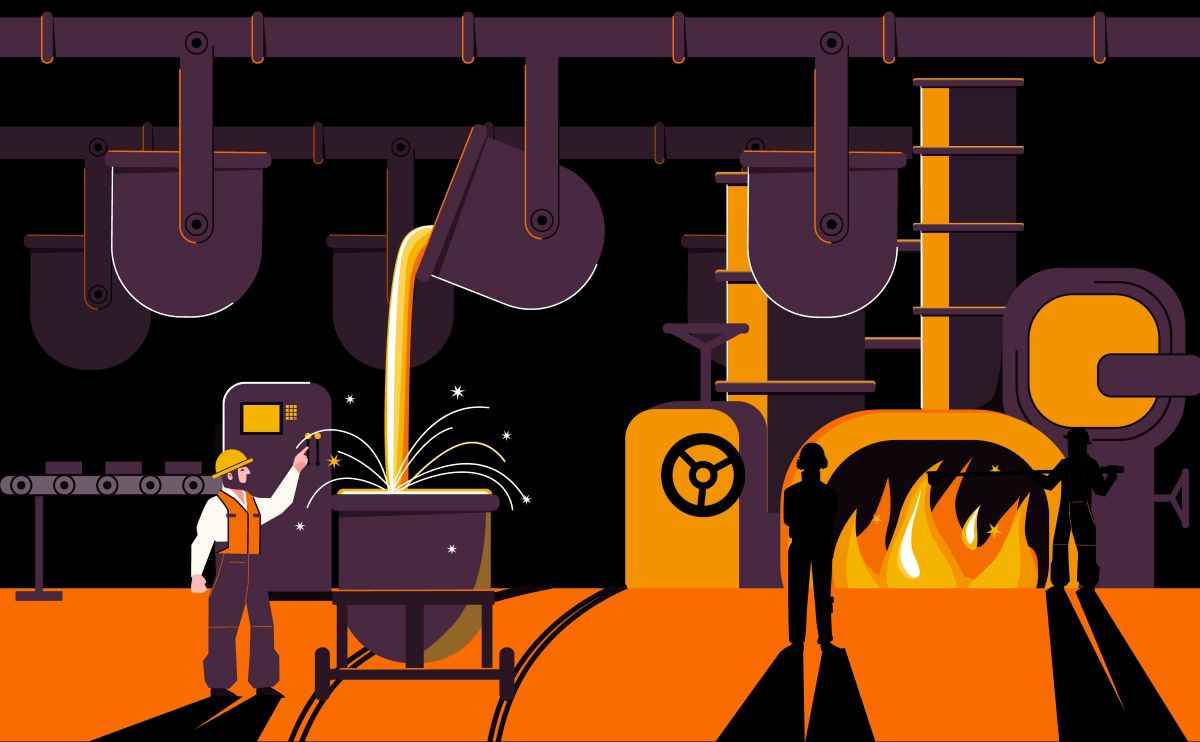
Investment casting is a precision manufacturing method used to produce complex metal components with high accuracy. The process begins with a wax pattern that mirrors the final part. This pattern is coated with ceramic material and hardened. Once the wax is melted away, molten metal is poured into the mould. After cooling, the ceramic shell is removed, revealing a near-net-shape component.
This technique allows manufacturers to achieve intricate geometries that are difficult to produce through conventional machining. Tight tolerances are possible. Surface finishes are smooth. Minimal secondary processing is often required. These advantages of investment casting make it well-suited for industries where precision is essential. Aerospace, automotive, energy, and medical sectors rely heavily on this process.
The ability to cast a wide range of metals is another key strength. Stainless steel, carbon steel, aluminium alloys, and superalloys are commonly used. This flexibility allows designers greater freedom. It also helps manufacturers meet strict performance requirements. Companies such as Texmo Blank operate within this space by focusing on consistency, process control, and dimensional accuracy rather than volume-based production alone.
Why Precision Matters in Modern Manufacturing
Precision manufacturing has become a critical requirement across industries. Components today must meet demanding performance standards. Slight deviations can affect safety, efficiency, and durability. Investment casting meets these requirements by delivering consistent accuracy and reliable quality.
One significant benefit is dimensional consistency across production batches. Once a mould design is finalised, the exact specifications can be maintained over time. This is especially important for parts used in assemblies where fit and alignment are critical. Reduced variation leads to fewer failures and lower rejection rates.
Precision also impacts material efficiency. Investment casting produces near-net-shape parts, which reduces waste. Less machining means lower material loss. Energy consumption is also reduced. These factors contribute to more sustainable manufacturing practices.
As industries move towards lightweight designs and compact systems, precision becomes even more critical. Thin walls and complex internal features are now common. Investment casting enables these designs without compromising strength. This capability supports innovation while maintaining strict quality expectations across global supply chains.
Technological Advances Shaping the Industry
The investment casting industry has evolved significantly in recent years. Digital tools now play a significant role in improving accuracy and efficiency. Computer-aided design and simulation software allow engineers to predict metal flow, cooling rates, and potential defects before production begins. This reduces trial-and-error and shortens development cycles.
Automation has also improved process consistency. Robotic handling of wax patterns and ceramic shells reduces human error. Controlled environments help maintain uniform shell thickness and curing conditions. These improvements result in higher repeatability and improved surface quality.
Material science continues to advance as well. New alloy compositions are being developed to meet higher-temperature and corrosion-resistance requirements. This is particularly important for aerospace and energy applications. Precision casting allows these advanced materials to be formed into complex shapes without compromising their properties.
Quality inspection methods have also improved. Non-destructive testing techniques such as X-ray and ultrasonic inspection help detect internal flaws. These technologies support strict compliance with industry standards and reinforce trust in precision-manufactured components.
Applications Across Key Industries
Investment casting serves a wide range of industries due to its versatility. In aerospace, it is used for turbine blades, structural components, and engine parts. These applications demand tight tolerances and high material integrity. Precision casting meets these needs while allowing complex geometries that improve performance.
The automotive industry uses investment casting for transmission components, suspension parts, and exhaust systems. Weight reduction and durability are key priorities. Precision manufacturing helps achieve both. As electric vehicles gain traction, demand for complex and lightweight metal components continues to grow.
In the medical field, investment casting supports the production of surgical instruments and implant components. Smooth surfaces and accurate dimensions are essential for safety and hygiene. Precision casting ensures consistency across large production runs.
Industrial equipment and energy sectors also rely on this process. Valves, pumps, and turbine components benefit from strength and reliability. Across all these applications, the value of precision manufacturing lies in its ability to meet strict functional and regulatory requirements without excessive post-processing.
Quality Control and Industry Standards
Quality control is central to precision manufacturing through investment casting. Each stage of the process must be carefully monitored. From wax pattern creation to final inspection, consistency is key. Even minor variations can affect the outcome.
Standards such as ISO certifications guide quality management systems within the industry. These frameworks ensure that processes are documented, repeatable, and continuously improved. Traceability of materials and process parameters is also essential, especially for regulated industries.
Inspection methods are integrated throughout production. Dimensional checks confirm accuracy. Surface inspections identify defects. Non-destructive testing verifies internal integrity. These steps reduce the risk of failure in real-world applications.
A strong focus on quality also supports long-term reliability. Precision-manufactured components often operate under extreme conditions. Heat, pressure, and mechanical stress demand high performance over time. By maintaining strict quality controls, manufacturers ensure that components meet both technical and safety expectations across global markets.
