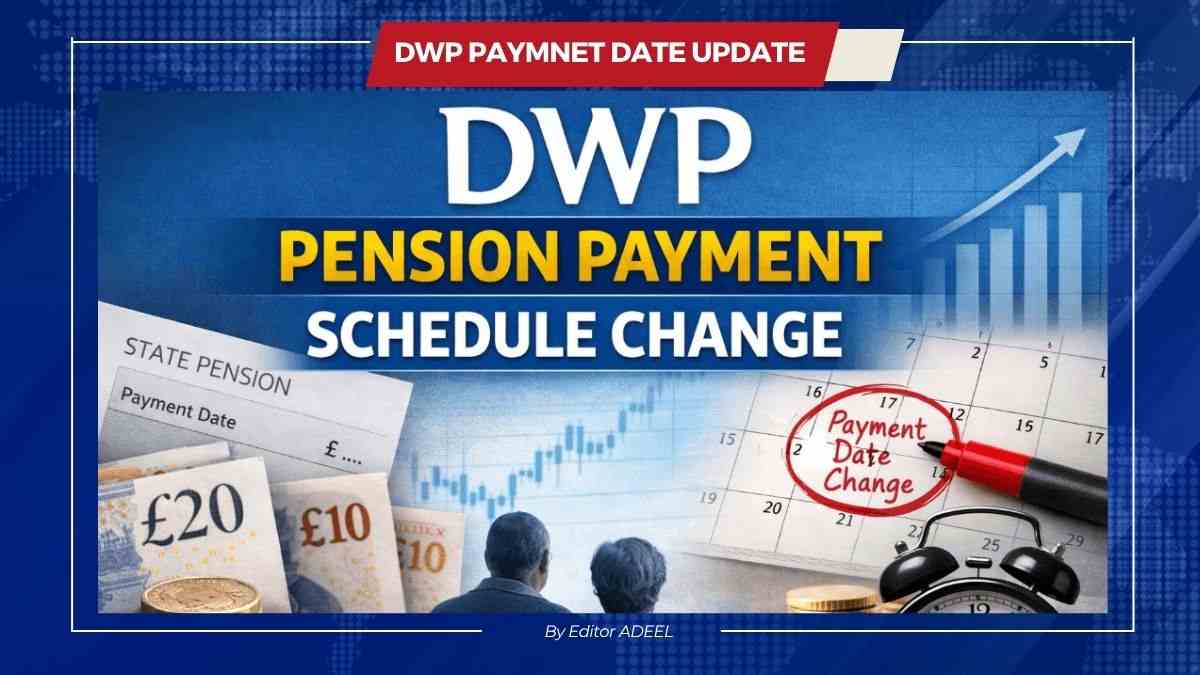

Millions of UK residents rely on Department for Work and Pensions (DWP) payments each month. These include state pensions, Universal Credit, and other benefits. A key change affects payment dates around bank holidays. The DHP adjusts dates to ensure people get money on time. This helps avoid delays during public holidays.
The next bank holiday is Good Friday on April 18, 2026. Easter Monday follows on April 20. Normally, payments due on these days shift earlier. For state pension claimants, weekly payments move to Thursday, April 17. Those paid every four weeks also see changes. Universal Credit and Personal Independence Payment (PIP) follow the same rule.
Why does this happen? Bank holidays mean banks and DWP systems close. Payments cannot be processed on nonworking days. The DWP moves them to the prior working day. This rule applies across all benefits. It prevents claimants from facing cash shortfalls. For example, a pensioner expecting 221.20 euros per week in state pension receives it on April 17 instead.
The current status shows no major disruptions expected. DWP confirmed the shifts in recent updates. Check your award notice or online account for exact dates. State pensioners over the state pension age receive payments directly into bank accounts. New and existing claimants use the same system. About 12 million people get state pensions. Many also claim attendance allowance or a caregiver’s allowance.
When do other changes apply? The Spring Bank Holiday on May 25, 2026, triggers another shift. Payments due on May 25 move to Friday, May 22. The Summer Bank Holiday in August follows suit. Always one working day early. DWP advises using the payment calendar tool online. Log in to your personal account at gov.uk. It shows tailored dates.
Experts urge claimants to plan. Food banks report higher demand during holidays. Budget for early payment. It might not align with your usual bills. Contact DWP if unsure. Helpline numbers are on gov.uk. Job centres remain open for urgent help, but book appointments.
State pension rates rose 1.7% in April 2025 under the triple lock. The full new state pension stands at 230.25 euros weekly. The basic state pension is 169.50 euros. These amounts stay despite date shifts. No cuts or extras apply. Triple lock guarantees a rise in inflation earnings or 2.5%.
Claimants facing hardship can apply for crisis loans. Local councils offer support too. DWP’s Budgeting Loans help with essentials. Check eligibility online.
The system protects vulnerable people. It ensures a steady income flow. Stay informed via DWP newsletters. Payments remain secure and reliable.